InStage vs Hatch
InStage emphasizes voice-based reflection. Hatch focuses on structured, job-specific outputs.


What InStage is built for
For many users, especially those who think out loud, this model is powerful. Conversation lowers friction and mirrors the experience of talking to a coach.
At the same time, conversational systems naturally require a certain level of engagement. Users must be comfortable speaking or thinking in real time, sometimes to an AI interface. Not everyone prefers that format. Some people process ideas internally rather than verbally. Others may feel hesitant speaking openly, especially in high-stakes moments.
There is also a motivation component. Interactive, dialogue-based systems work best when users are ready to reflect, iterate, and actively participate in shaping their responses.
For individuals who are highly motivated, this can be energizing. For those facing higher barriers or lower confidence, a more structured and guided execution model may feel simpler and easier to start.
Who Hatch is built for
Hatch approaches AI differently. Rather than focusing on having a dialogue, it focuses on deliverables.
Instead of beginning with conversation, users move directly into structured execution. The system guides the process and produces job-ready materials within minutes.
For many job seekers, especially those navigating stress, limited time, or fluctuating motivation, reducing the effort required to get started can make a meaningful difference. Not everyone wants to think out loud. Not everyone wants to iterate verbally. Some prefer a clearer, faster path from draft to submission.
Hatch is built for momentum. It prioritizes clarity, consistency, and measurable progress over immersion.
Resume Support: Advisory vs Applied Reconstruction
Both platforms help users improve their resumes. The distinction lies in how revisions happen.
InStage provides feedback and structured commentary. It highlights strengths and weaknesses and guides users through revisions. The responsibility for interpreting and applying those changes remains with the user.
For individuals who are confident in their writing and comfortable translating feedback into edits, this approach can feel empowering. It encourages ownership and a deeper understanding of why specific changes matter.
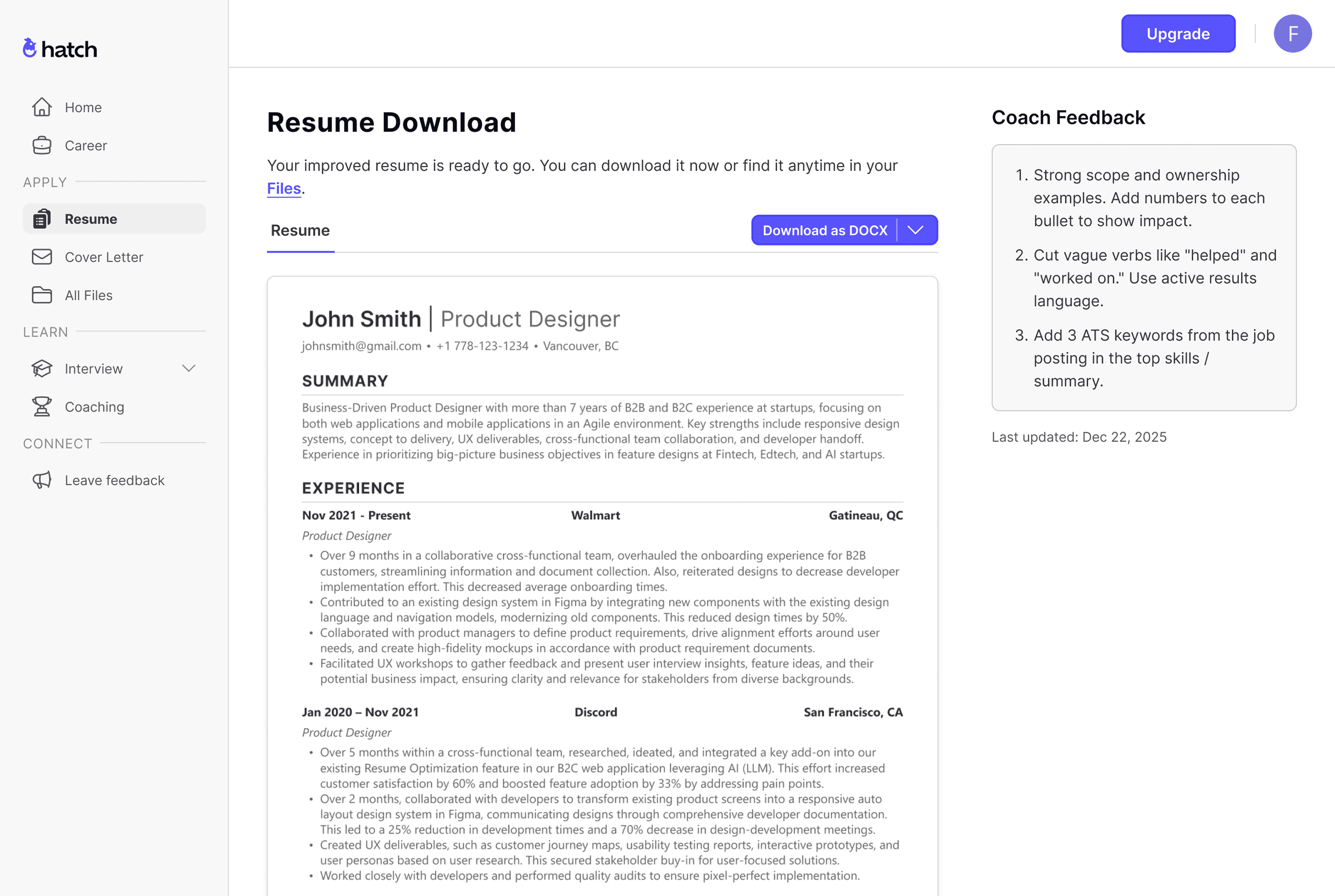
Hatch takes a reconstruction-focused approach. Instead of stopping at just feedback, it asks users for clarification then produces a revised version aligned directly to the target role. The system applies the structural changes, strengthens quantified impact, and adjusts language automatically all while preserving the user’s unique voice. With no job description applied, Hatch will instead create the strongest possible version of the user’s resume.
This difference often comes down to revision confidence and motivation. Interpreting feedback and rewriting effectively requires time, clarity, and a certain level of comfort with professional writing. Not every job seeker has that, especially under pressure.
For users who prefer direct guidance and a clearer path to a submission-ready document, reconstruction can reduce friction and simplify the process.
Interview Preparation: Simulation vs Structural Precision
The same distinction appears in interview practice.
InStage simulates conversation. Users engage in back-and-forth dialogue, which can improve comfort and verbal pacing. The emphasis is on rehearsal and interactive refinement.
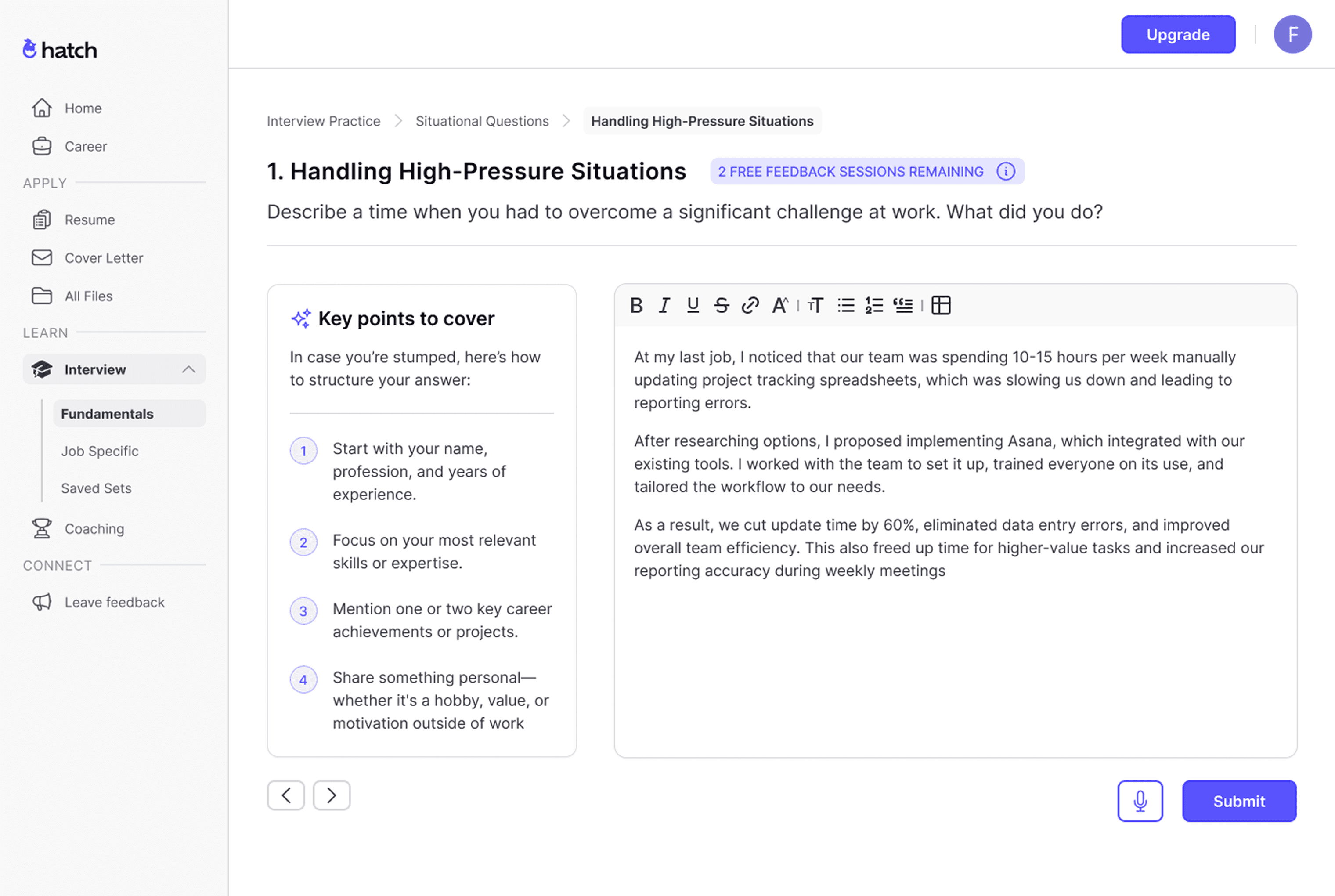
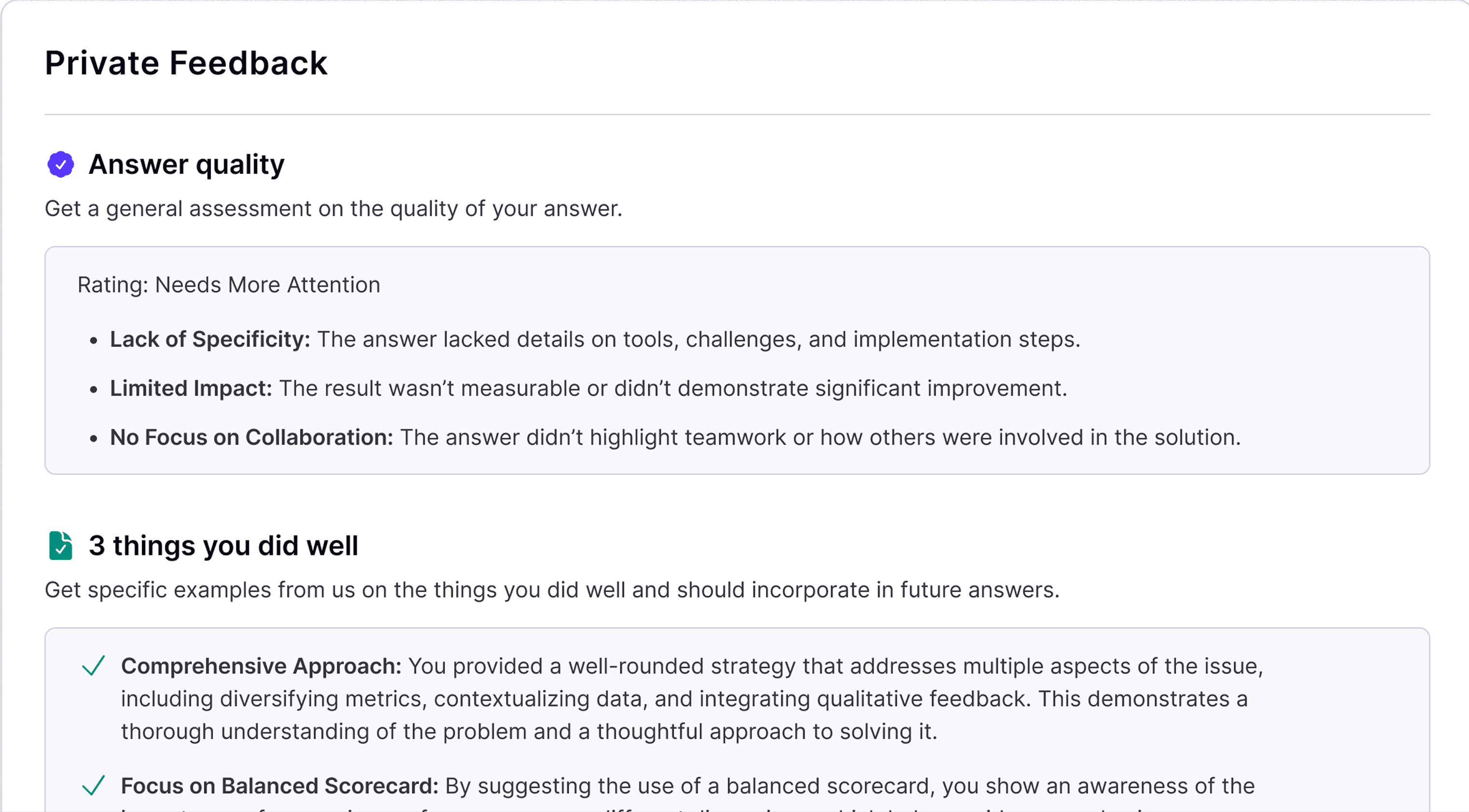
Hatch focuses more heavily on structural analysis. It identifies weaknesses in clarity, specificity, or impact and provides targeted revisions. The emphasis is on strengthening answer construction rather than recreating conversational dynamics.
In addition to custom job-specific question sets, Hatch teaches users foundational frameworks, enabling users to answer any new interview questions with confidence.
Both approaches aim to improve performance. They simply address different variables: one focuses more on delivery and comfort, the other on structure and content strength.
For Organizations: Process vs Results
The philosophical difference becomes more visible at the program level.
InStage is process-driven. It emphasizes how users think, reflect, and rehearse.
Hatch is results-driven. It emphasizes producing stronger application materials and tracking measurable progress.
For individual job seekers, either model may work depending on learning style and preferences.
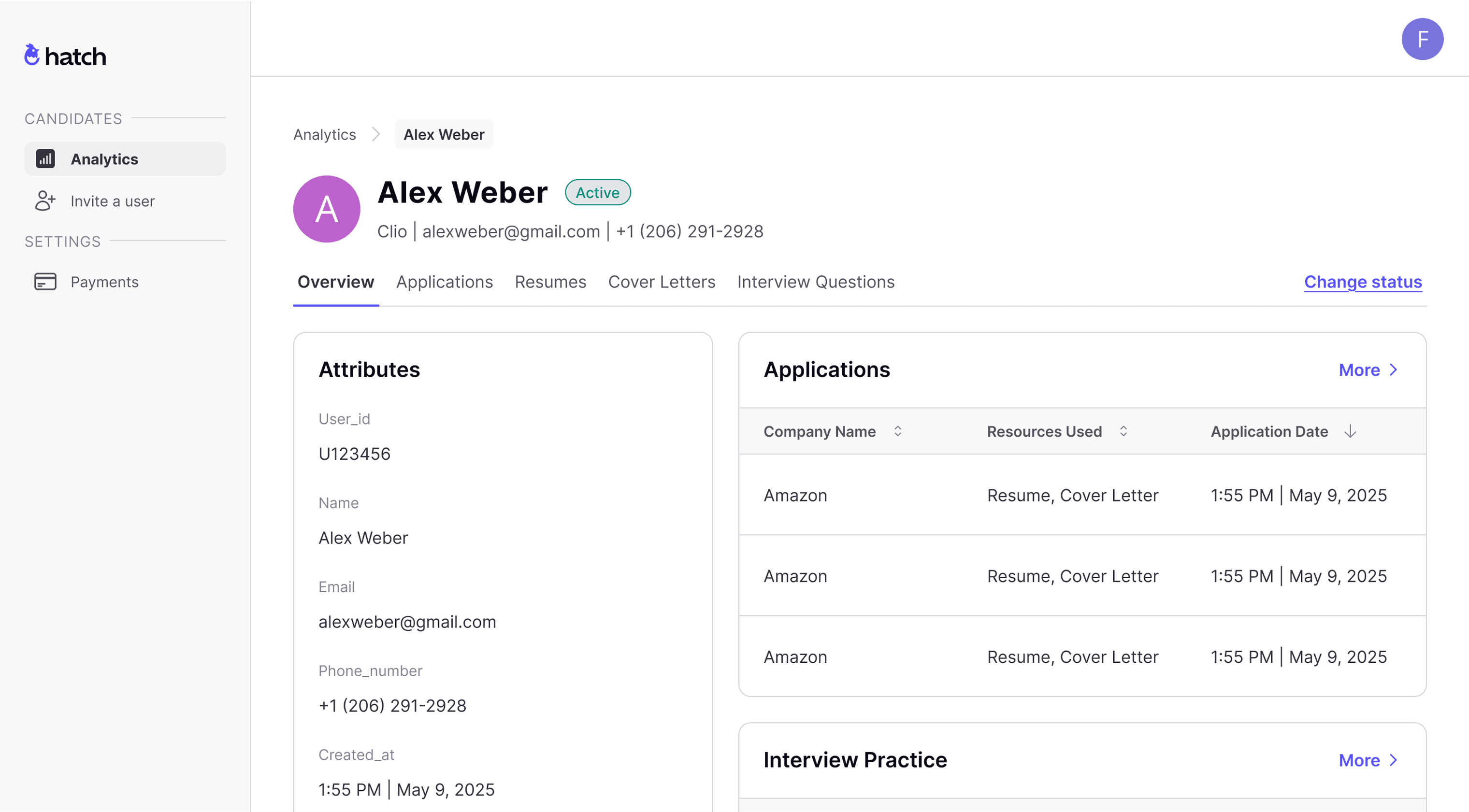
For organizations operating in performance-based environments, reporting requirements often influence the decision. Hatch includes engagement tracking and dashboards designed to provide visibility into activity and outcomes.
In those contexts, the distinction between user experience and measurable output becomes more operational than theoretical.
Final Perspective
InStage centers on guided process. Hatch centers on job-ready results.
They overlap in functionality but prioritize different stages of improvement and outcomes.
If the goal is immersive AI conversation and reflective practice, InStage aligns well.
If the goal is producing stronger applications quickly and measuring progress across individuals or cohorts, Hatch is structured for that use case.
The right choice depends less on feature comparison and more on which stage of the job search journey you are optimizing.